

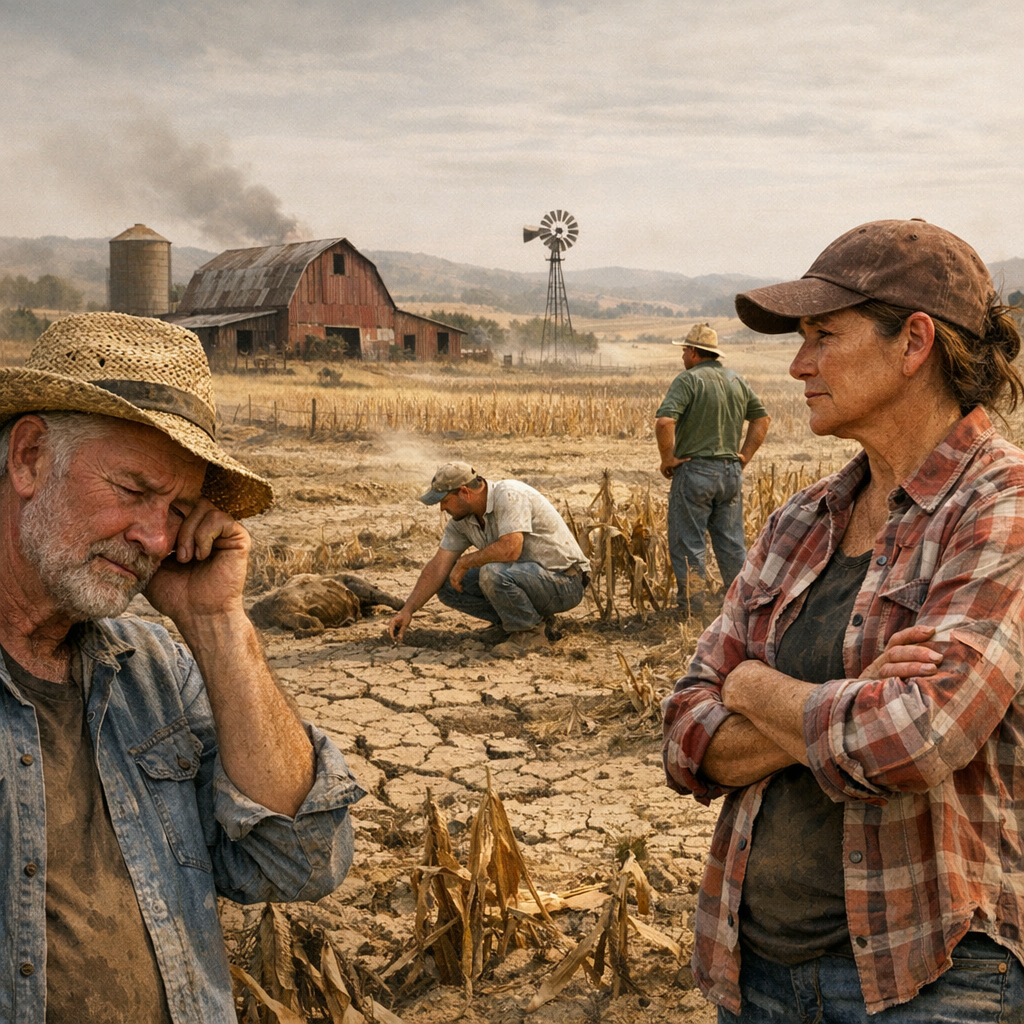
In our interconnected world, events occurring thousands of miles away can have profound effects on rural communities like Cedaredge, Colorado. Understanding these global dynamics is essential for fostering resilience and ensuring sustainable development.
Climate Change and Rural Vulnerability
Climate change poses significant challenges to rural areas worldwide. Unpredictable weather patterns, prolonged droughts, and extreme events disrupt agricultural activities, threatening livelihoods. For instance, indigenous communities in the Andes face water scarcity due to melting glaciers, impacting their farming practices. Similarly, rural regions in Africa and Asia experience food insecurity exacerbated by climate-induced disasters. These examples highlight the need for adaptive strategies to mitigate climate impacts on rural populations.
Economic Shifts and Agricultural Challenges
Global economic fluctuations, such as trade disputes or financial crises, can ripple through rural economies. Small-scale farmers often bear the brunt of these changes, facing reduced market access and fluctuating commodity prices. The concept of ‘multiple breadbasket failure’—simultaneous disruptions in key agricultural regions—illustrates how interconnected our food systems are. Such failures can lead to global food shortages, directly affecting rural producers and consumers alike.
Health Crises and Rural Healthcare
International health emergencies, like pandemics, disproportionately impact rural communities. Limited healthcare infrastructure, fewer medical professionals, and restricted access to resources make these areas particularly vulnerable. During global health crises, rural populations often face challenges in receiving timely information and medical supplies, underscoring the importance of strengthening healthcare systems in these regions.
Global Cooperation for Rural Development
Addressing the challenges faced by rural communities requires international collaboration. Initiatives like the United Nations’ World Rural Development Day emphasize the need for investment in rural areas to combat poverty and promote sustainable agriculture. By supporting rural development globally, we can enhance food security, economic stability, and environmental sustainability.
In conclusion, while rural communities may seem distant from global events, they are intricately connected to the broader world. Recognizing and addressing these connections is vital for building resilient and thriving rural areas.